Source radiator bracket for Cooling Systems, Heating, and Intercooler Brackets
Find and compare 30 radiator bracket options from verified Chinese manufacturers. Buyers can evaluate specifications like material, size, and customization for cooling systems, electric heating radiators, and intercooler applications.
Key considerations
Products List


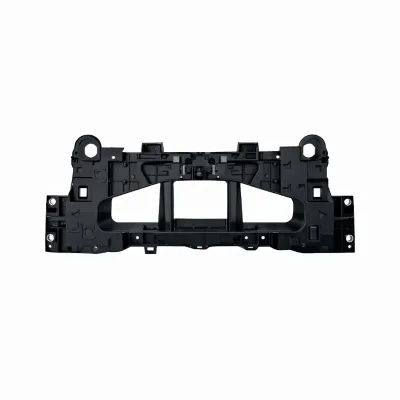


Comprehensive Sourcing Guide
Strategic Sourcing Guide for Radiator Bracket Procurement
Navigating the global market for radiator brackets requires a disciplined approach that balances technical precision with supply chain reliability. The core keyword "radiator bracket" encompasses a diverse range of components, from simple steel supports to complex cooling system assemblies. Buyers must recognize that while the fundamental function remains consistent—securing and positioning cooling units—the material composition, manufacturing processes, and compliance requirements vary significantly across different product listings. This guide synthesizes observed market data to provide a framework for evaluating potential suppliers and defining procurement specifications without relying on unverified claims.
Technical Specifications and Material Selection
The first critical step in sourcing a radiator bracket is defining the precise technical specifications required for the application. Market observations indicate that these components are not monolithic; they vary in material, dimensions, and structural design. The primary material identified in the current supply landscape is Steel, with specific grades such as SPCC (Cold Rolled Carbon Steel) appearing frequently. Additionally, some listings reference a composite material of Aluminium Steel, suggesting that hybrid solutions exist for applications requiring weight reduction alongside structural integrity.
When evaluating technical data, buyers must scrutinize the product model numbers and dimensional standards. Observed data points to specific model identifiers like 1762624 and 1791181, which serve as unique references for distinct bracket configurations. The "Size" specification is often contextual, such as "Intercooler Bracket Used in," indicating that the bracket's dimensions are tied to specific vehicle or machinery models. Furthermore, the "Deck" attribute, observed as "Single," suggests a specific structural layering that must be verified against the intended load-bearing requirements.
Surface treatment is another vital technical parameter. The supply chain offers a variety of finishes, including Electroplating, Powder Coating, Sand Blasting, and Brushed finishes. The choice of treatment directly impacts corrosion resistance and aesthetic compatibility. For instance, Electroplating is noted for specific machining contexts, while Powder Coating is associated with robust protection for industrial applications. Buyers should verify that the selected surface treatment aligns with the environmental conditions where the bracket will operate, rather than assuming a standard finish applies universally.
Compliance, Certification, and Regulatory Standards
In the B2B procurement of automotive and industrial components, compliance is non-negotiable. The market data reveals a spectrum of certifications and standards that suppliers claim to meet. High-confidence observations include certifications such as CE and GOST, which are essential for markets in Europe and the Commonwealth of Independent States, respectively. Additionally, ISO 9001 and TS 16949 (now IATF 16949) are frequently cited as quality management system certifications, indicating a supplier's adherence to rigorous manufacturing controls.
Standards compliance extends beyond quality management to specific engineering codes. Observed standards include Universal standards, as well as specific regional codes like ASME, JIS Code, China GB Code, and EN. The presence of these standards suggests that suppliers may offer brackets compliant with American, Japanese, or European engineering norms. However, buyers must exercise caution; the listing of a standard does not guarantee that every SKU in a supplier's catalog meets that standard. Verification is required to ensure the specific part number ordered carries the relevant certification.
The "Standard" attribute also appears in the context of dimensional specifications, such as 3/8" and 1/2", which likely refer to thread sizes or mounting hole diameters. It is crucial to distinguish between material standards and dimensional standards. While some listings mention "Customized" standards, indicating flexibility in design, others adhere to rigid codes like ASME or EN. Procurement teams should request proof of certification for the specific batch being ordered, rather than relying on general company-level claims.
Cost Drivers and Pricing Dynamics
Understanding the cost structure of radiator brackets is essential for budgeting and negotiation. The observed price range in the market is exceptionally broad, spanning from $0.40 to $2,000 USD. This variance is not indicative of market instability but rather reflects the diversity of the product category. The lower end of the spectrum likely corresponds to simple, mass-produced steel stamping plates or basic brackets with minimal customization. Conversely, the higher end may involve complex assemblies, custom-engineered aluminium-steel hybrids, or large-scale palletized shipments with significant logistical overhead.
Several factors drive these costs. Material selection is a primary driver; SPCC steel is generally more cost-effective than aluminium-steel composites. The manufacturing process also influences price; CNC stamping and multi-stage surface treatments like electroplating followed by powder coating add labor and energy costs. The "Sample Cost" attribute notes that prototypes are generally more expensive than mass production prices, a standard industry practice that buyers must account for in their initial development budgets.
Volume plays a significant role in pricing. The observed Minimum Order Quantity (MOQ) ranges from 1 to 1,000 units. Suppliers offering an MOQ of 1 are likely catering to prototyping or R&D phases, while those requiring 1,000 units are optimized for mass production. Buyers should be aware that unit costs will decrease as order volume increases, but the initial investment in tooling or mold creation for custom designs can be substantial. The "Lead Time" of 30 to 50 days for production suggests that complex orders require significant planning, which may impact the total cost of ownership when factoring in inventory carrying costs.
Typical Applications and Usage Scenarios
Radiator brackets serve critical functions in various industries, primarily within the automotive and heavy machinery sectors. The "Type" attribute observed as "Cooling System" confirms their primary role in thermal management. Specific applications include intercooler mounting, as indicated by the "Intercooler Bracket Used in" specification. These components ensure that heat exchangers remain securely positioned under the vibration and thermal expansion inherent in engine operation.
The "Muffler Type" attribute, listed as "Rear Muffler," suggests that some bracket designs are integrated into exhaust or emission control systems, where heat resistance and vibration damping are paramount. Additionally, the "Energy Source" attribute mentioning "Electric Arc" and the "Type" of "Pressure Welding" point to applications involving heavy-duty fabrication, such as in construction equipment or industrial boilers.
The versatility of these brackets is further highlighted by the "Deck" attribute being "Single," which implies they can be used in single-layer mounting configurations. However, the existence of "Customized" standards and "OEM" model numbers indicates that many brackets are tailored to specific vehicle chassis or machinery frames. Buyers should map their specific application requirements against the observed attributes, such as the "Item" description of "Stainless Steel Stamping Forming Plate," to ensure the component matches the operational environment.
Supplier Evaluation and Manufacturing Capabilities
Selecting the right supplier requires a deep dive into their manufacturing capabilities and quality assurance processes. The market data highlights several key attributes that distinguish high-quality suppliers. The "Machining Method" is frequently listed as "CNC Stamping," a process that ensures high precision and repeatability. The "Tolerance" of +/-0.01mm is a critical metric for buyers requiring tight fitment, as even minor deviations can lead to installation failures or premature wear.
Quality control is another decisive factor. The "Quality Inspection" attribute specifies "100% Inspect During Production and Before Delive," indicating a commitment to defect prevention. This level of scrutiny is essential for components that must withstand high stress and vibration. Furthermore, the "Process" attribute detailing "Material Selection+Mold+Stamping+ Surface Treating" suggests a vertically integrated manufacturing approach, where the supplier controls the entire production chain from raw material to finished good.
Suppliers also offer "Factory Tour" opportunities, allowing buyers to physically verify production lines and quality control measures. This transparency is a strong indicator of supplier confidence and reliability. When evaluating potential partners, buyers should prioritize those who can demonstrate their ability to handle the full spectrum of processes, from "Material Selection" to final "Surface Treatment," ensuring consistency in the final product.
Quality Control and Long-Term Procurement Considerations
Ensuring long-term supply chain stability requires a robust quality control strategy. The "Quality" attribute listing "Original, Copy" suggests that buyers must be vigilant about sourcing genuine components. In the context of radiator brackets, "Original" parts are likely designed to meet exact OEM specifications, while "Copy" parts may offer cost savings but could vary in material thickness or tolerance. The "Material Thickness" observed ranges from 1mm to 8mm, and in some cases up to 50mm, highlighting the need to verify that the selected bracket meets the structural requirements of the specific application.
Packaging is another often-overlooked aspect of procurement. The "prod_packing" attribute varies from "Paper Card and Blister" for small retail items to "Wooden Box," "Pallet," and "Bubble Bag, Cartons, Plywood Case" for industrial shipments. Proper packaging is essential to prevent damage during transit, especially for components with precise tolerances or delicate surface treatments. Buyers should specify packaging requirements that align with their logistics capabilities to minimize the risk of damage.
Finally, the "Lead Time" of 30 to 50 days necessitates careful inventory planning. For critical applications, buyers should consider safety stock levels or negotiate split shipments to mitigate the risk of production delays. The "Sample Cost" being higher than mass prices also implies that the initial phase of procurement requires a separate budget allocation. By understanding these dynamics, buyers can build a resilient supply chain that ensures the consistent delivery of high-quality radiator brackets.
| Attribute Category | Observed Data Points | Procurement Verification Focus |
|---|---|---|
| Material | Steel, SPCC, Aluminium Steel | Verify grade and thickness (1-8mm vs 1-50mm) |
| Certification | CE, GOST, ISO 9001, TS 16949, SGS | Request batch-specific certificates for the ordered model |
| Standards | Universal, ASME, JIS, EN, GB | Confirm specific code compliance for the target market |
| Process | CNC Stamping, Electroplating, Powder Coated | Validate tolerance levels (+/-0.01mm) and surface finish |
| Packaging | Pallet, Wooden Box, Bubble Bag, Blister | Ensure packaging protects against transit damage |
| Lead Time | 30-50 Days | Plan inventory buffers for production delays |
FAQs
What certifications do radiator bracket suppliers typically hold?
Suppliers commonly hold CE, GOST, ISO 9001, and TS 16949 certifications. These standards verify compliance with regional engineering codes like ASME and EN, ensuring the components meet rigorous quality management and safety requirements for automotive and industrial applications.
How is the material thickness specified for steel brackets?
Material thickness typically ranges from 1 to 8 millimeters for standard stamping plates. Some heavy-duty applications may utilize thicker sections up to 50 millimeters, requiring verification of the specific product model to ensure structural integrity for the intended load.
Can I request custom dimensions for a cooling system bracket?
Yes, customization is available for specific product models and dimensions. Suppliers offer tailored solutions including unique sizes like 3/8 or 1/2 inch standards, allowing buyers to match exact mounting requirements for intercoolers or other cooling system components.
What is the typical lead time for manufacturing these brackets?
The standard lead time for production is between 30 and 50 days. This duration accounts for material selection, mold creation, stamping, and surface treatments like electroplating or powder coating required to meet specific quality inspection standards before delivery.
Which surface treatments are available for steel radiator brackets?
Available surface treatments include electroplating, powder coating, sand blasting, and brushed finishes. The choice depends on the application environment, with options like SPCC steel or aluminium-steel composites selected to ensure durability and corrosion resistance during operation.
What is the minimum order quantity for these components?
Minimum order quantities range from 1 unit for prototypes to 1000 units for mass production. Buyers should note that sample costs are generally higher than mass prices, and packaging varies from blister packs to wooden boxes depending on the order size.
Where are the primary manufacturing locations for these brackets?
Manufacturing origins include Jinan, Ningbo, and Hebei in China. These locations host factories capable of CNC stamping and quality inspections, offering products that meet universal standards or specific regional codes like JIS and China GB Code.